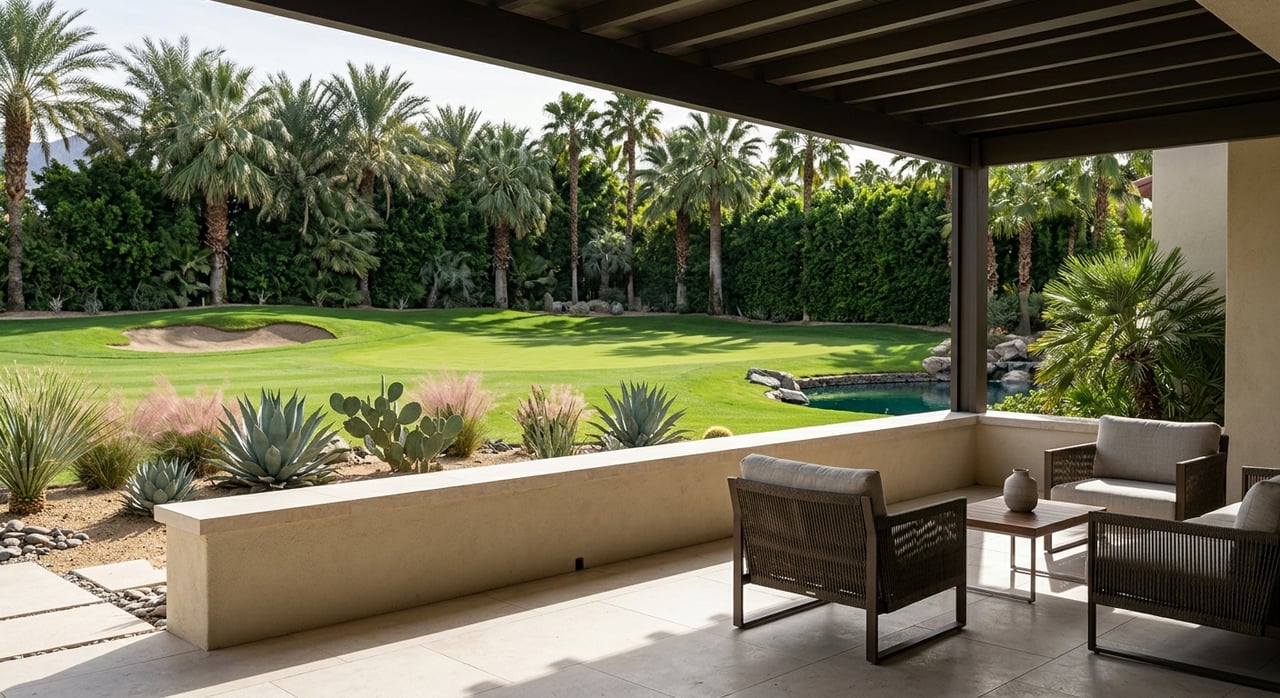
If you start your La Quinta home search by looking only at the golf course, you may miss the detail that matters most: how the community actually works for ownership. In La Quinta, golf communities can look similar on the surface, but the costs, access, and day-to-day lifestyle can vary quite a bit. This guide will help you compare community models, ask smarter questions, and choose a golf community that fits the way you want to live. Let’s dive in.
Start With Your Lifestyle Goals
Before you compare dues, memberships, or tee times, get clear on what you want from your home in La Quinta. Some buyers want a full club lifestyle with dining, fitness, and a busy social calendar. Others want a low-maintenance seasonal home near golf, without the commitment of private club membership.
La Quinta gives you a wide range of choices. The city notes that it is home to more than 20 golf courses and highlights major golf destinations such as PGA WEST, SilverRock, and La Quinta Resort. That variety is a big advantage, but it also means you need to match the community structure to your goals.
Compare La Quinta Community Models
Optional Club Membership Communities
In some La Quinta communities, owning a home does not automatically give you golf membership. PGA WEST is a strong example. The residential HOA states that the community includes 1,354 condominiums, 68 custom homes, five private lakes, and 54 pools with spas, while golf operations are owned separately by a private company.
That means you should not assume HOA dues include access to private courses or club amenities. If you like resort-scale living and guard-gated convenience, this kind of setup can work very well. You just need to verify exactly what the HOA covers and what would require separate club dues.
Mandatory Membership Communities
Some buyers want a built-in social and recreational lifestyle from day one. Mountain View Country Club is a useful example because its membership page says all home purchases must include a Social Membership. That membership includes dining, events, fitness, tennis, pickleball, bocce, pool, spa, and sauna access.
This model can be appealing if you want regular access to amenities and a more connected club environment. It can be less appealing if you prefer flexibility or do not plan to use the amenities often. The key is to decide whether mandatory participation matches your lifestyle and budget.
Traditional Private Club Communities
If you are drawn to classic club culture, La Quinta Country Club deserves attention. The club describes itself as a premier private club in the Coachella Valley with a 35,000-plus square-foot clubhouse and multiple membership tiers, including Regular, Associate, Junior Executive, and Social.
This type of community may be a better fit if you value a traditional club setting and an active social calendar. Social membership there includes limited golf and places emphasis on the club’s social life. For some buyers, that balance is exactly right.
Invitation-Based Club Options
Tradition Golf Club stands apart because membership is by invitation and vetting, and residency is not required for membership. Its golf offerings include an 18-hole championship course and a separate 9-hole short course, along with fitness, spa, dining, bocce, and pickleball.
This setup may appeal to buyers who want exclusivity but do not want club access tied only to living within the community. It is also a reminder that in La Quinta, club membership and homeownership do not always move together.
Resort-Linked Membership Models
The Citrus Club shows another variation. Its golf membership includes 54 holes across the Citrus, Mountain, and Dunes courses, with a capped membership of 560 and published monthly dues plus a non-refundable deposit.
This model can appeal to buyers who want a resort-connected experience with multiple membership tiers. Social and Sport options also include access to amenities like resort pools, tennis, pickleball, fitness centers, bocce, classes, and resort discounts. If you like the idea of a club tied closely to a resort environment, this is the type of structure to study.
Public-Facing Golf in a Residential Setting
Trilogy Golf Club at La Quinta offers a lower-commitment option. The club is public-facing, while residents receive tee-time booking privileges up to 32 days in advance and a 20% public-rate discount. Annual golf options are available to Trilogy residents only.
For buyers who want golf nearby without the same level of private-club commitment, this can be a practical middle ground. It also shows that not every golf community in La Quinta follows a private-club model.
Understand HOA Versus Club Costs
One of the biggest mistakes buyers make is treating HOA dues and club dues as if they are the same thing. In La Quinta golf communities, they often are not. The HOA may maintain common areas, pools, gates, patrol service, landscaping, or other shared features, while golf and club access may be entirely separate.
California DRE guidance is especially important here. Buyers should determine whether special taxes, assessments, or HOA dues affect monthly expenses, and they should read all transaction documents before closing. In a common-interest development, a public report is required.
You should also review whether the HOA budget includes adequate reserves. California DRE warns that underfunded HOAs can lead to disrepair or special assessments, so this is not just a paperwork issue. It directly affects your ownership costs and long-term peace of mind.
Focus on What Dues Actually Cover
When you compare communities, ask what you are really paying for each month. In one community, dues may cover landscaping, pools, guard-gated entry, patrol, and exterior common-area upkeep. In another, those services may be more limited, or certain club privileges may require separate fees.
At PGA WEST, for example, the HOA says it manages landscaping, irrigation, lighting, 54 pools with spas, and gate and patrol infrastructure. Its FAQ also states that each unit receives gardening service once every ten workdays and lawns are mowed weekly. For seasonal buyers or part-time residents, that level of support can be a major advantage.
Think About Lock-And-Leave Convenience
If you plan to use your home seasonally, lock-and-leave convenience should be near the top of your list. A golf community can feel easy on paper, but the real test is how much hands-on ownership it requires when you are away.
Communities where the HOA handles labor-intensive tasks often work best for this purpose. Landscaping, irrigation, pool maintenance in shared areas, patrol, and gated access all help reduce the workload. If you want a second home that feels simple to manage, this can matter just as much as the golf itself.
Check Rental Rules Early
If rental potential is part of your plan, verify the rules before you fall in love with a property. In La Quinta, city rules and HOA rules both matter. A home can fit your lifestyle perfectly and still be the wrong choice for your intended use if rental restrictions do not line up.
The City of La Quinta says a permanent ban on new general and primary short-term vacation rental permits is in effect, with new permits available only in exempt areas or for homeshare and certain large-lot properties. The city also notes that HOA approval may still be required in some situations. Existing permit holders may continue only if they renew on time.
This means rental strategy should be part of your community search from the beginning. If you think you may rent the home, ask whether the property is in a city exempt area and whether the HOA allows the use you want.
Ask Better Questions on Tours
Touring a home or clubhouse is not just about finishes, views, or course design. It is your chance to uncover how the community functions in real life. The right questions can help you avoid expensive surprises later.
Use this checklist when you tour La Quinta golf communities:
- Is golf membership included with ownership, optional, or mandatory?
- What do HOA dues cover?
- Are there initiation fees, transfer fees, monthly dues, or assessments?
- Is the club equity or non-equity?
- Are dues or deposits refundable or non-refundable?
- What are the tee-time booking windows and guest policies?
- Are there minimum spending requirements?
- Does the HOA cover exterior maintenance, landscaping, pools, gates, or patrol?
- If you plan to rent, do city rules and HOA rules allow it?
- Are reserve funds adequate, and are any special assessments planned?
Match the Community to Your Priorities
The best La Quinta golf community for you depends on what you value most. If you want broad amenities and a separate club decision, you may prefer a model like PGA WEST. If you want built-in participation, a mandatory-membership structure like Mountain View may be a stronger fit.
If you prefer a classic private club atmosphere, La Quinta Country Club may feel more aligned with your goals. If you want a lower-commitment golf setup in a residential setting, Trilogy may deserve a closer look. The important thing is not choosing the most well-known name, but choosing the ownership model that supports your lifestyle.
Buying in a La Quinta golf community is about more than fairways and views. It is about understanding the full picture, from membership structure and monthly costs to lock-and-leave ease and rental restrictions. If you want expert guidance comparing communities, reviewing the details, and finding the right fit in La Quinta, connect with Lori Ebeling.
FAQs
What should you compare when choosing a La Quinta golf community?
- Compare the membership model, HOA coverage, monthly dues, club fees, reserve funding, lock-and-leave convenience, and rental rules.
Is golf membership included when you buy in a La Quinta golf community?
- Not always. In some communities, such as PGA WEST, ownership does not include club membership, while in others, such as Mountain View Country Club, a social membership is required with purchase.
Why do HOA documents matter in a La Quinta golf home purchase?
- California DRE advises buyers to review transaction documents, assessments, budgets, and reserve information because HOA finances and rules can affect your monthly costs and future special assessments.
Are short-term rentals allowed in all La Quinta golf communities?
- No. The City of La Quinta says there is a permanent ban on new general and primary short-term vacation rental permits, except in certain exempt or limited situations, and HOA approval may also be required.
Which La Quinta golf communities may work best for seasonal buyers?
- Seasonal buyers often focus on communities where the HOA handles landscaping, patrol, gates, pools, and other shared maintenance tasks that support lock-and-leave ownership.