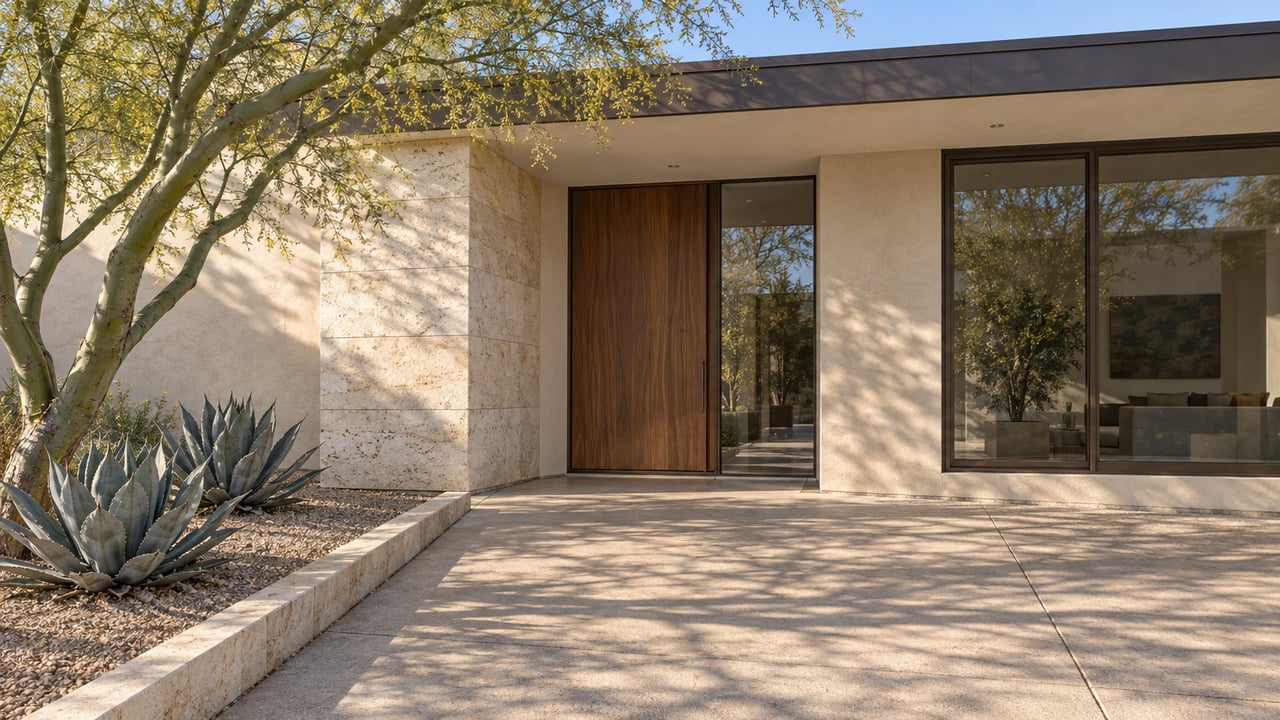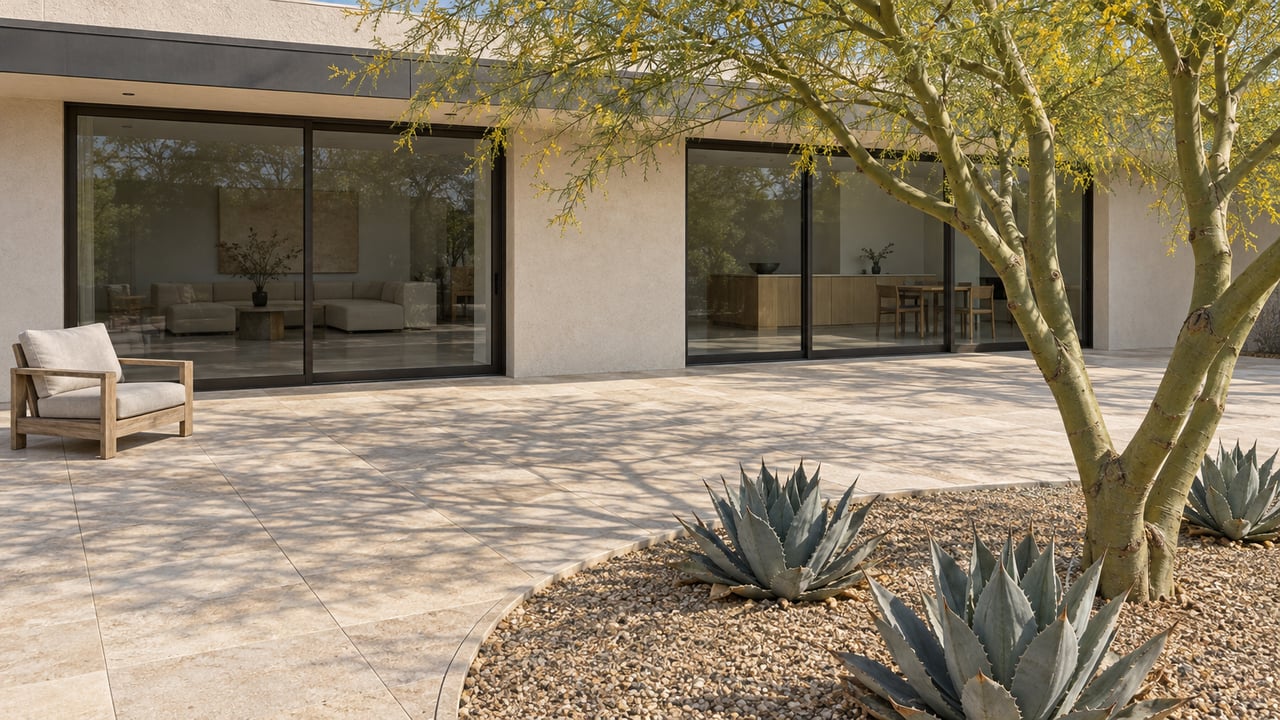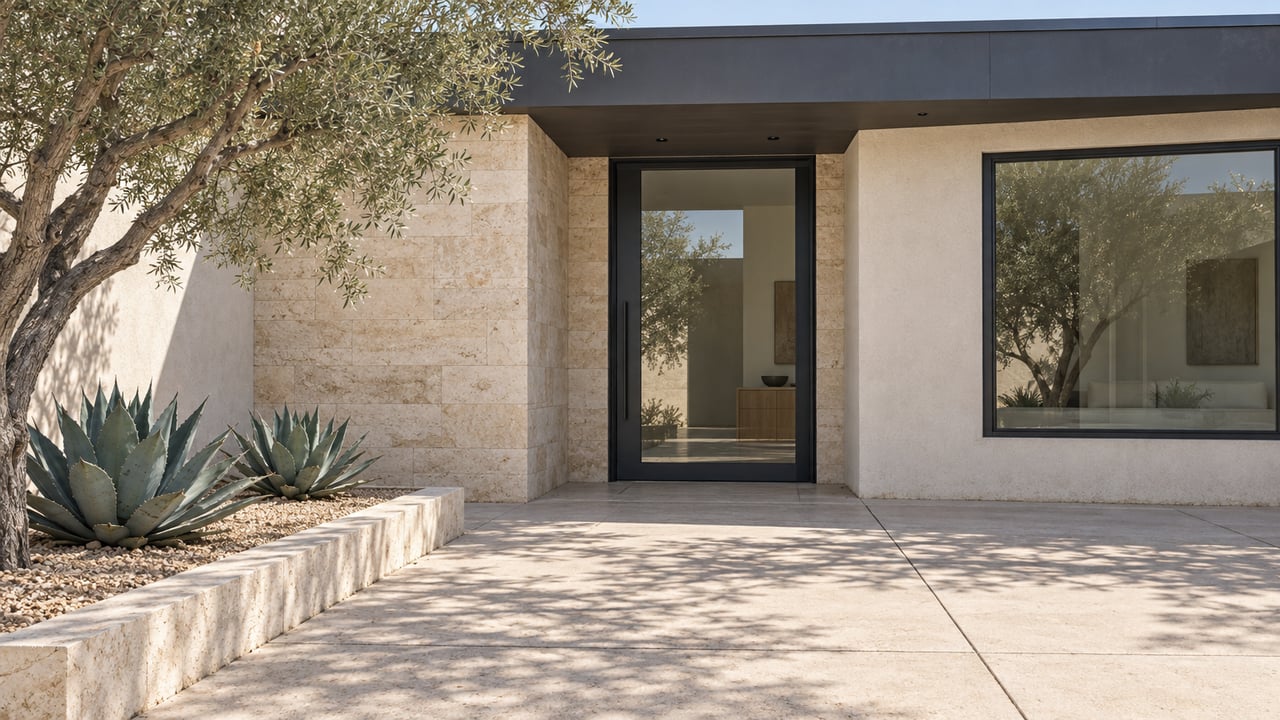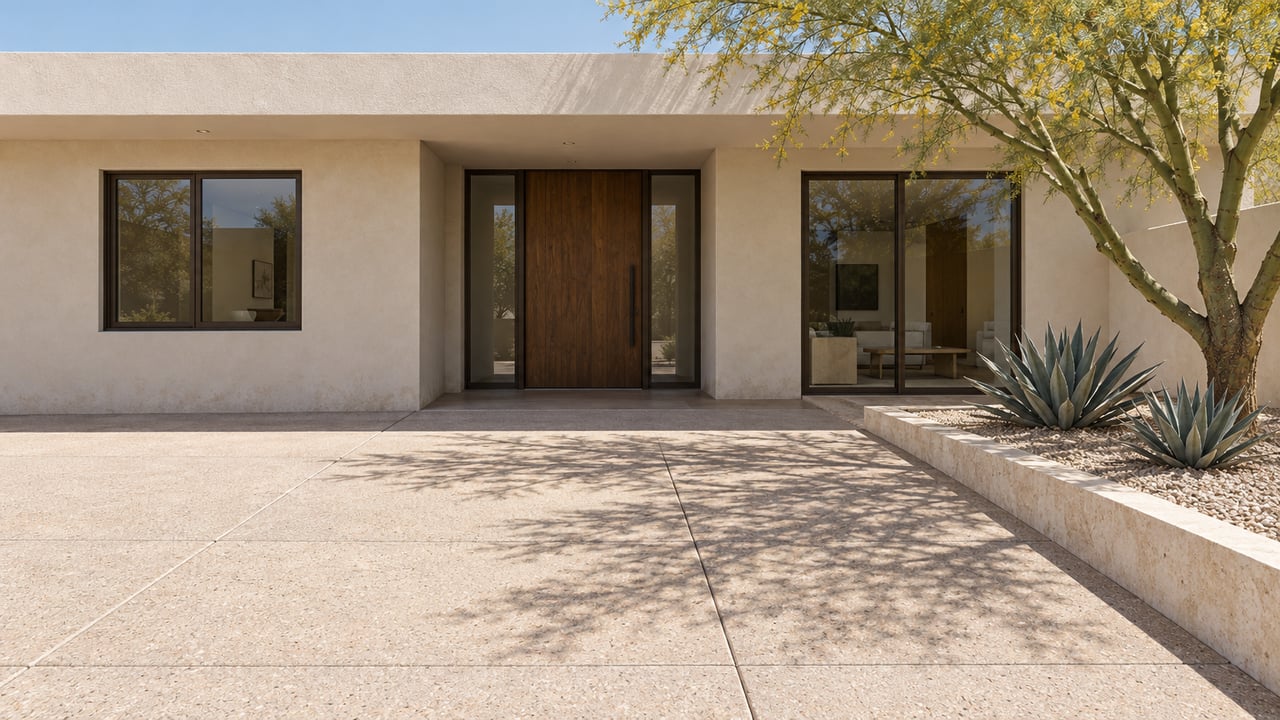
Wondering whether Rancho Mirage fits the rhythm of retirement you want? If healthcare access, easy daily errands, and a connected lifestyle matter to you, this desert city offers a lot to consider. Rancho Mirage stands out for its strong medical presence, transportation options, community amenities, and housing patterns that often align with retirement living. Let’s dive in.
Why Rancho Mirage Appeals to Retirees
Rancho Mirage has an older population profile than many cities. According to Census Reporter’s city profile, the median age is about 66.1, and roughly 49.9% of residents are age 65 and over.
That age profile is not accidental. The city’s planning documents describe a development pattern centered on private country clubs, planned residential communities, resort uses, and retirement neighborhoods. If you are looking for a place where retirement living is already part of the local landscape, Rancho Mirage is built around that reality.
Healthcare Access in Rancho Mirage
For many retirees, healthcare is one of the first things to evaluate before a move. Rancho Mirage offers a strong local anchor in Eisenhower Health, whose main campus is located at 39000 Bob Hope Drive in Rancho Mirage.
That matters because it gives you access to a regional health system without needing to leave the city for many routine or follow-up needs. When you are comparing places to live, proximity to established care can make everyday life feel more manageable.
Eisenhower Health Services Nearby
Eisenhower’s Rancho Mirage campus includes outpatient primary care and specialty services. The system lists services such as women’s health, wound care, rehabilitation, balance treatment, and stroke rehabilitation at its Rancho Mirage locations, which can be especially relevant if you want ongoing care and recovery support within one system.
For urgent but non-emergency needs, Eisenhower Urgent Care in Rancho Mirage is located at 72780 Country Club Drive, Building B, Suite 203. According to Eisenhower Health, the clinic offers same-day walk-in care for non-emergent concerns, onsite lab and radiology capabilities, telehealth visits, and accepts Medicare and most private insurance.
Why Medical Proximity Matters Day to Day
Convenient healthcare is about more than major hospital visits. It can also mean shorter drives for appointments, easier follow-up care, and better access to rehab or balance-related services that support mobility over time.
If you are helping a parent relocate, downsizing for yourself, or planning ahead for long-term comfort, this kind of medical infrastructure can be a major advantage. In Rancho Mirage, healthcare is part of everyday life rather than an afterthought.
Getting Around Without Stress
Retirement-friendly living often depends on how easy it is to move through the city. Rancho Mirage’s general plan notes that the city has more than 50 miles of sidewalks, bicycle lanes, golf cart paths, and multi-use trails within existing road rights-of-way.
That network supports flexible day-to-day movement, whether you prefer driving, walking, biking, or using a golf cart where allowed. The same plan notes that golf carts are restricted to designated pathways and roadways with speed limits under 35 mph, which helps define where and how they can be used.
Transit and Paratransit Options
Public transportation also plays a role in daily convenience. The city’s transportation documents note that SunLine Transit serves the valley, including Route 111 along Highway 111 with access to City Hall, the post office, the Rancho Mirage Public Library, The River, and Rancho Las Palmas Shopping Center.
For more flexible transportation, SunRide offers on-demand rides in the Palm Desert-Rancho Mirage zone. For qualifying riders, SunDial provides paratransit service in Rancho Mirage and surrounding Coachella Valley communities. If driving every trip is not ideal for you, those options can add useful backup and independence.
Daily Life and Errands in Rancho Mirage
A city can look great on paper and still feel inconvenient in practice. Rancho Mirage benefits from having many everyday destinations concentrated along Highway 111 and nearby commercial centers.
The city’s 2024 financial report describes Highway 111 as Rancho Mirage’s retail, restaurant, and professional-office corridor. It also identifies The River at Rancho Mirage and Rancho Las Palmas Shopping Center as major shopping destinations, which gives you a practical sense of where errands, dining, and services often cluster.
What That Means for Your Routine
When daily needs are grouped in a central corridor, your routine can become much simpler. Trips to the library, shops, restaurants, and professional services can often be combined into one outing.
That may not sound dramatic, but it can make a real difference in how comfortable a place feels over time. Many retirees value locations where convenience supports a lower-stress lifestyle, and Rancho Mirage is set up well in that regard.
Recreation and Community Amenities
Retirement is not only about where you sleep and shop. It is also about how you spend your time, stay active, and remain connected to the community around you.
Rancho Mirage offers civic amenities beyond private residential clubs. According to the city’s general plan materials, Rancho Mirage Community Park includes tennis, basketball, racquetball and handball courts, exercise stations, a dog park, and an amphitheater.
Library and Observatory Programs
The Rancho Mirage Library & Observatory also adds another layer to daily life. Its catalog page notes 24/7 online library card pre-registration and digital services, while the events calendar highlights public stargazing nights, observatory office hours, and adult-focused cultural programs.
For retirees, that kind of programming can support both learning and social connection. It also shows that community life in Rancho Mirage is built around public amenities as well as residential developments.
Housing Patterns Retirees Will Likely See
If you are house hunting in Rancho Mirage, you will likely notice a housing mix that leans heavily toward single-family and attached homes. The city’s housing element reports that the stock includes 55.1% single-family detached homes, 28.3% single-family attached homes, 4.9% multi-family units with two to four homes, 5.6% multi-family units with five or more homes, and 6.1% mobile homes.
That mix can be helpful if you want choices beyond one housing style. Depending on your goals, you may find detached homes, attached residences, condominiums, or other lower-maintenance options that better match the way you want to live.
Planned Communities and HOA Living
The city’s housing element also makes clear that Rancho Mirage includes low-density single-family development, planned residential developments, attached condominiums in the Section 19 area, apartments in select zones, mobile home parks, and senior housing categories. Just as important, the same document notes that many country clubs, gated communities, and residential neighborhoods have homeowners associations with mandatory monthly fees.
That means HOA-managed communities are a common part of the local market, not a rare exception. If you are comparing communities, it is smart to look closely at what HOA fees cover, how rules may affect your lifestyle, and whether a given setup supports the level of maintenance and convenience you want.
What Retirees Should Consider Before Buying
Rancho Mirage offers many of the ingredients retirees often look for, but the best fit still depends on your priorities. Before you buy, it helps to think through how you want your daily life to work.
Consider questions like these:
- How close do you want to be to Eisenhower Health and urgent care services?
- Would you benefit from access to paratransit or on-demand rides?
- Do you want a detached home, condo, or attached residence?
- Are HOA fees and community rules a good tradeoff for lower exterior maintenance?
- Do you want to be near the Highway 111 corridor for errands and dining?
- Which public amenities, parks, or cultural programs matter most to you?
The right home is not just about square footage. It is about how easily your home, healthcare, transportation, and daily routine fit together.
A Smart Way to Evaluate Rancho Mirage
If you are seriously considering Rancho Mirage for retirement, it helps to tour with a clear plan. Look at homes, of course, but also pay attention to drive times, nearby services, and how different neighborhoods connect to the places you would use most often.
A well-informed home search should consider lifestyle logistics along with property features. That is especially true in a market like Rancho Mirage, where planned communities, medical access, and commercial corridors all shape the ownership experience.
If you want help comparing Rancho Mirage neighborhoods, condos, gated communities, or retirement-friendly home options across the Coachella Valley, Lori Ebeling offers the local insight and concierge-level guidance to help you move with confidence.
FAQs
What makes Rancho Mirage appealing for retirees?
- Rancho Mirage has an older population profile, strong access to Eisenhower Health, a connected network of sidewalks and paths, public transportation options, community amenities, and a housing landscape that includes many planned and HOA-managed communities.
What healthcare options are available in Rancho Mirage for retirees?
- Rancho Mirage is home to Eisenhower Health’s main campus, local urgent care, and outpatient primary care and specialty services that include rehabilitation, balance treatment, wound care, women’s health, and stroke rehabilitation.
What transportation options are available in Rancho Mirage for older adults?
- Rancho Mirage residents can use SunLine Route 111 along Highway 111, SunRide on-demand service in the Palm Desert-Rancho Mirage zone, and SunDial paratransit for qualifying riders in Rancho Mirage and nearby Coachella Valley communities.
What kinds of homes can retirees find in Rancho Mirage?
- The city’s housing stock is weighted toward single-family detached and attached homes, with additional options that include condominiums, apartments in select zones, mobile homes, planned residential developments, and senior housing categories.
Are HOA communities common in Rancho Mirage for retirees?
- Yes. The city’s housing element notes that many country clubs, gated communities, and residential neighborhoods in Rancho Mirage have homeowners associations with mandatory monthly fees, making HOA living a common part of the market.
What is daily life like in Rancho Mirage for retirees?
- Daily life in Rancho Mirage is shaped by convenient access to shopping, restaurants, professional services, parks, the library and observatory, and transportation links along the Highway 111 corridor.