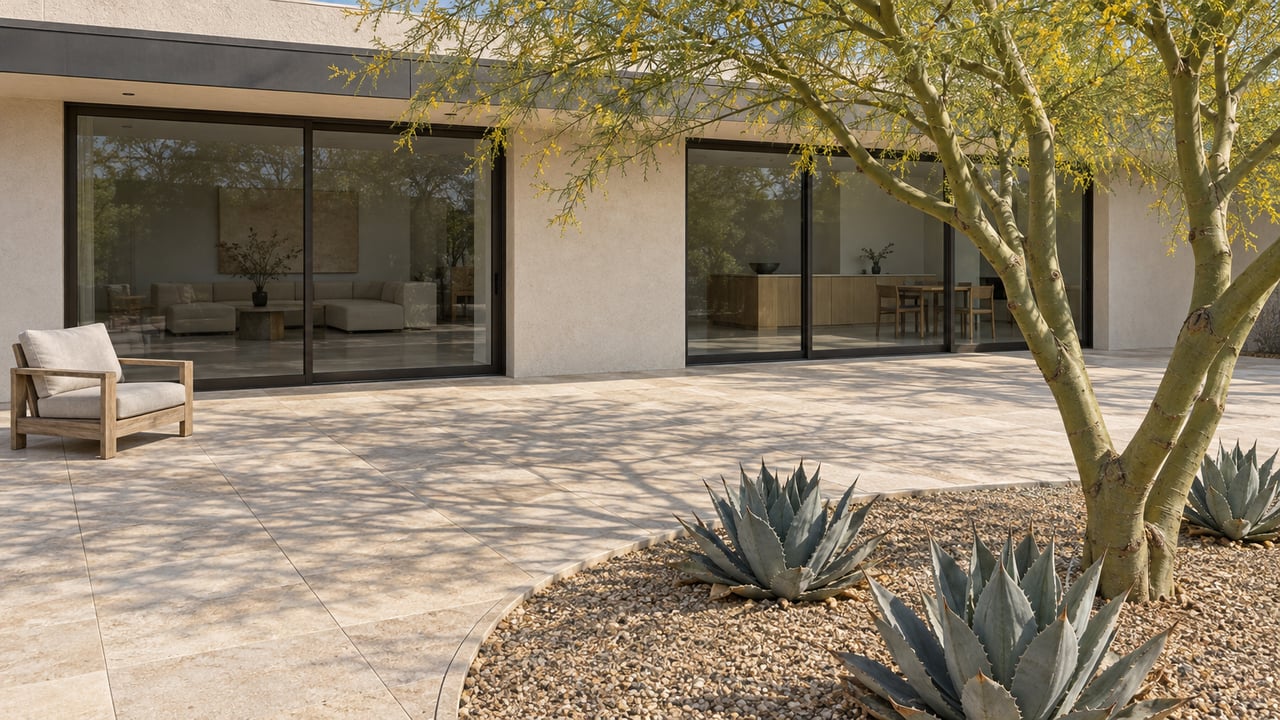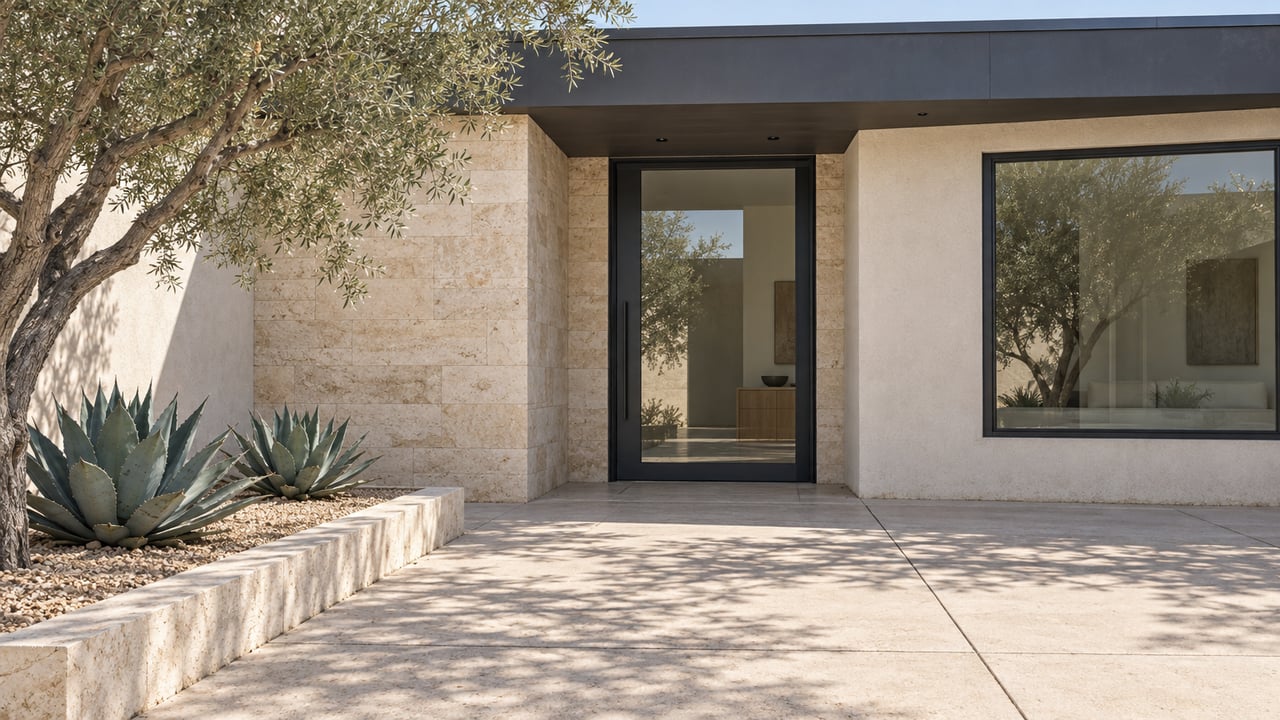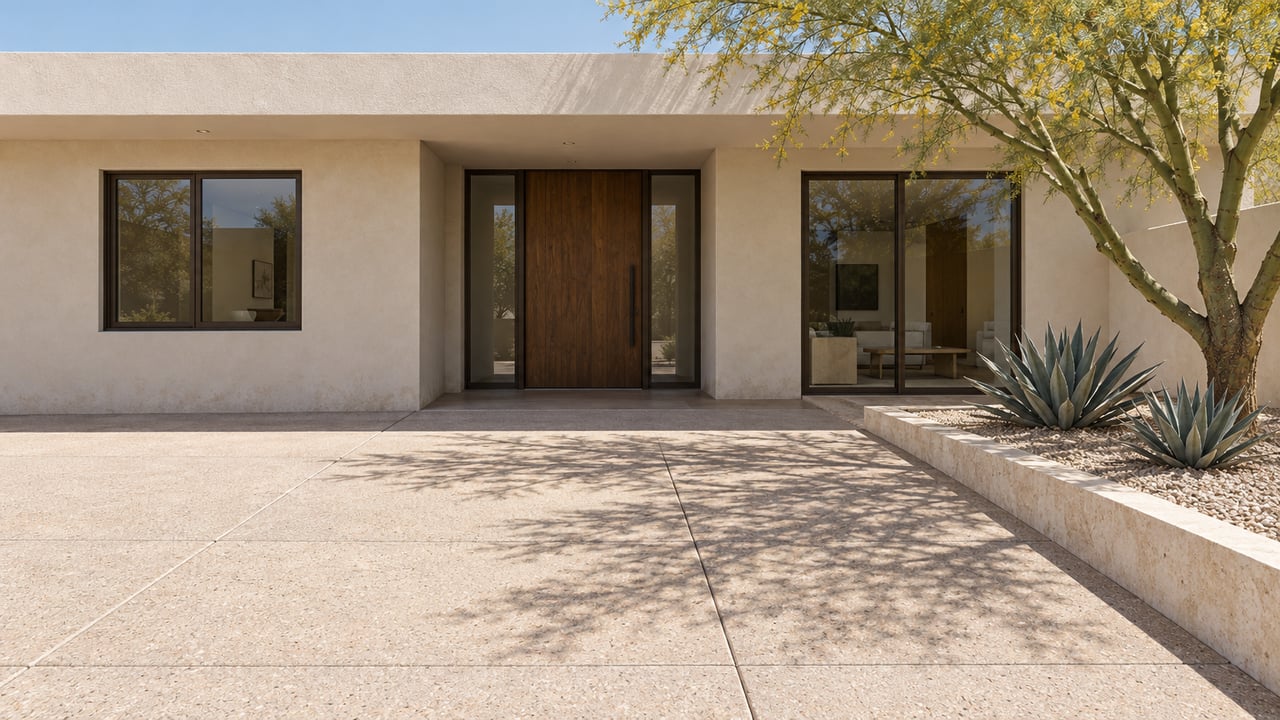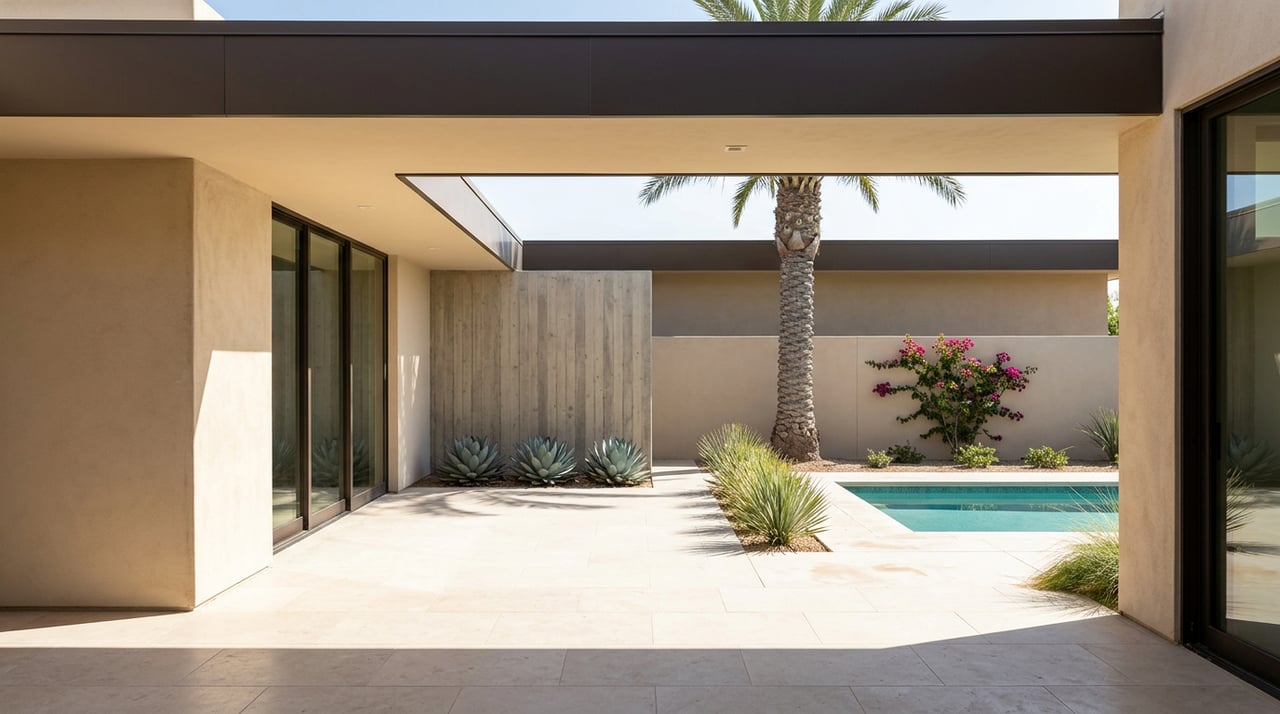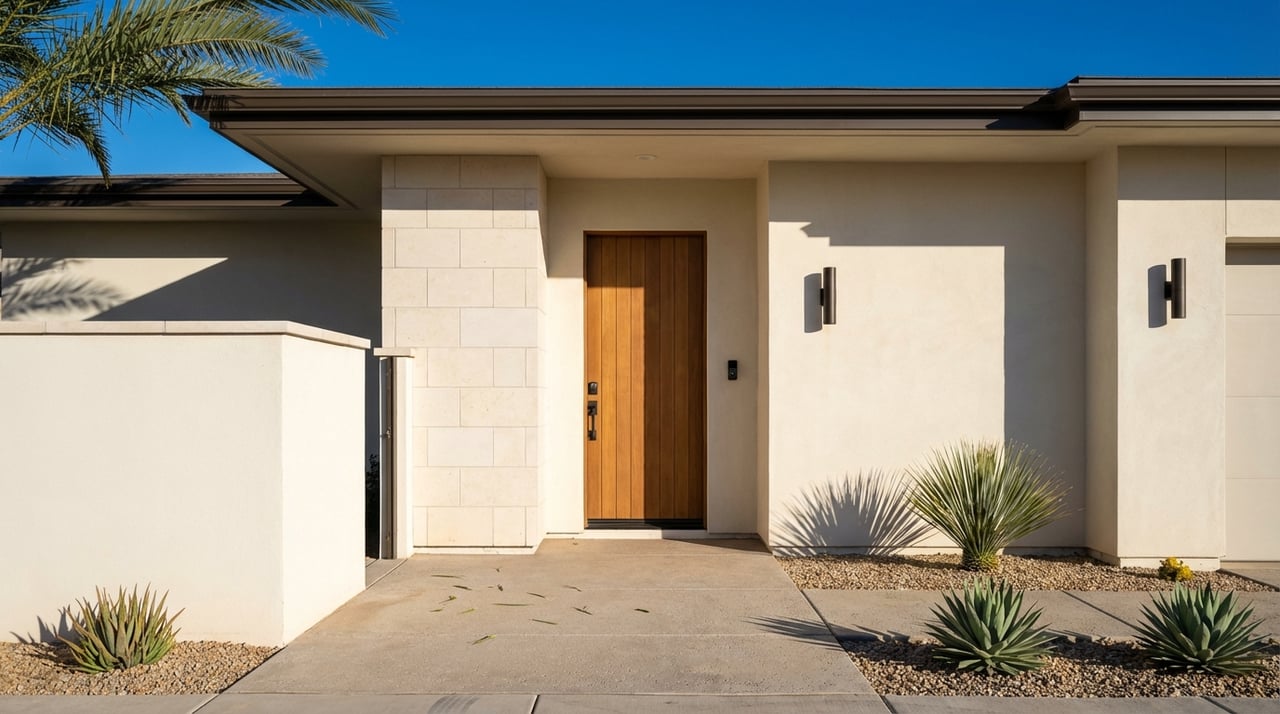
Picture this: you lock the door, head to the airport, and do not worry about sprinklers, pool service, or a package on the porch. If you split your time or plan to retire seasonally, that is the kind of simplicity you want. In Rancho Mirage, many gated communities are built for this “lock-and-leave” lifestyle, but the details matter. This guide shows you what to look for, the local rules that affect your plans, and a simple checklist to help you buy with confidence. Let’s dive in.
What lock-and-leave means here
In Rancho Mirage, lock-and-leave usually means a condo or villa in a gated setting where the HOA or on-site staff handles exterior maintenance and key building systems. You will often see landscape care, common pools, security, trash, and sometimes cable or internet included in dues. Some buildings centralize utilities or HVAC, which reduces maintenance when you are away for weeks or months. You trade a bit of private outdoor space for convenience and peace of mind.
Key Rancho Mirage rules to know
Short-term rentals are prohibited in the City of Rancho Mirage for stays of 27 days or fewer. The city states that advertising or agreeing to rent for shorter stays is a violation, and it outlines penalties and enforcement on its site. Review the policy on the city’s page about short-term rentals and confirm any rental plans with the HOA before you buy. You can read the city’s guidance on Rancho Mirage short-term rentals.
Gated communities in Rancho Mirage also follow an emergency access program so first responders can enter quickly. Ask how your association complies and whether there are any related costs or reimbursement policies. You can see the city’s public safety information and programs on the Rancho Mirage Police and Public Safety page.
HOA rules may be stricter than city rules. CC&Rs can limit rentals, exterior cameras, or certain modifications. Always request the CC&Rs and verify policies in writing before you rely on a use or feature.
Community types that fit lock-and-leave
High-rise and fully serviced condos
True turnkey options often include on-site management, 24/7 gate or guard, bundled utilities, and centrally maintained systems. These are ideal if you want to arrive, enjoy, and leave without vendor calls. Expect higher HOA dues and less private yard space, balanced by convenience and security.
Golf and country club communities
Large master-planned clubs offer a mix of condos, villas, and estate homes. For low upkeep, focus on condo or villa pockets inside the gates. Single-family estates may need separate vendors for pool and landscape. Club memberships can be separate from the HOA, so review dues and access rules in writing.
Resort-adjacent condos
Resort-linked communities often include extensive grounds, carts, and common area amenities, which favor a low-maintenance lifestyle. Many HOAs handle landscape and security and may bundle trash and some utilities. Confirm exactly what is covered in the HOA budget.
Age-restricted 55+ neighborhoods
Active-adult communities are designed for ease with programming, clubhouses, and low-maintenance homes. Landscaping is often simplified or included, and amenities are built for everyday enjoyment. Review calendars, HOA scopes, and any lifestyle fees to confirm fit.
Boutique gated enclaves
Smaller enclaves can be guard-gated or use automated gates. Services vary, so the CC&Rs and budget are essential reading. Some enclaves cover exterior paint and roof; others do not. If you want 24/7 guard staffing and on-site help, verify hours and roles, or look at full-service clubs like The Club at Morningside for a model of staffed access.
What your HOA should cover
Inclusions that matter
Look for clear, written inclusions. These often include exterior building maintenance, landscape and irrigation, common pools and spas, gate or patrol, trash, and sometimes cable or internet. In multi-unit buildings, you may see centralized systems such as building HVAC or chiller plants. These inclusions reduce chores and help your insurer view the property as lower risk.
Financial health and reserves
Ask for the most recent reserve study, the percent funded, last two to three budgets, and any planned capital projects. Healthy reserves reduce the risk of special assessments. Industry guidance on reserve funding can help you frame questions; see this overview of reserve funding strategies.
Club dues and governance
If a country club operates separately from the HOA, membership fees and rules may also be separate. Request current fee schedules, membership transfer rules, and any initiation costs. Clarify which amenities are HOA funded versus club funded so you understand your total monthly cost.
Security, climate, and utilities
Gate staffing and patrols
For many seasonal owners, guard-gated access and defined patrols provide added confidence. Verify whether gates are staffed 24/7 or part-time and ask for a written security scope. Communities like Morningside illustrate how staffed access and on-site teams operate in practice.
Desert heat and home systems
Rancho Mirage sits in a hot, dry desert climate with long sunny periods and very low rainfall. Reliable A/C, smart irrigation, and routine pool care matter when a home sits vacant. For a climate snapshot, review average conditions for the nearby airport on WeatherSpark’s Palm Springs summary.
Electricity providers and rates
Parts of Rancho Mirage are served by Southern California Edison, while areas north of Gerald Ford Drive and east of Bob Hope Drive may be served by Imperial Irrigation District. Provider and rate structure affect ongoing costs and how you manage remote A/C settings during heat waves. See the city’s utilities overview and confirm service on each listing.
Insurance and absentee care
Second-home coverage basics
Most standard policies include vacancy or unoccupancy limits that can restrict coverage if a home sits empty too long. Tell your insurer the property will be a second home, ask about endorsements or vacant-home coverage, and get any inspection or alarm requirements in writing. Learn more in this overview of empty home insurance considerations.
Mail and property checks
Set up USPS Hold Mail for short absences and pair it with a trusted home-watch or property manager for longer stays. Weekly or biweekly check-ins catch HVAC issues, leaks, and irrigation failures early, and they can help satisfy insurer requirements. Start with the free USPS Hold Mail tool.
Home-watch and vendor coordination
Ask the HOA manager if the community maintains a preferred vendor list or concierge services. A typical home-watch scope includes weekly inspections, photo reports, alarm resets, and vendor coordination. If you need referrals, your agent can connect you with vetted local providers.
Smart-home tools that help
Smart tools reduce risk and make remote ownership smoother. Consider:
- Remote thermostats for precise A/C control during heat spells.
- Monitored locks and garage control so a vendor can enter without a key.
- Video doorbells or cameras inside the home for awareness when you are away.
- Water-leak sensors and automatic shutoff valves.
- A monitored alarm that can dispatch help and notify your home-watch.
If your HOA restricts exterior cameras or wiring, get written approval before you install anything.
Buyer checklist for Rancho Mirage
Use this quick list to compare options and reduce surprises:
- 24/7 staffed gate or secure access. Confirm hours, patrols, and response protocols. Full-time staffing often suits lock-and-leave better than automated gates.
- On-site management or concierge. Ask for the on-site manager’s name and a sample response protocol for leaks or alarms.
- HOA scope in writing. Verify exterior maintenance, landscape and irrigation, pool care, security, trash, and any bundled cable or internet in the CC&Rs and budget.
- HOA reserves and projects. Request the latest reserve study and percent funded to gauge assessment risk. Review industry guidance on reserve funding.
- Second-home insurance fit. Confirm vacancy rules, inspection frequency, and monitoring requirements with your insurer. See tips on empty home coverage.
- Home-watch options and cost. Ask for HOA-recommended vendors and a sample scope for weekly checks and vendor coordination.
- Rental rules, city and HOA. Rancho Mirage bans stays of fewer than 28 days. Review the city’s short-term rental policy and your HOA’s rental section.
- Utilities and climate readiness. Confirm provider and rate structure using the city’s utilities overview. Check A/C capacity, service records, and irrigation efficiency.
- Emergency access compliance. Ask how the HOA provides first-responder access and review the process on the city’s public safety page.
- Proximity to medical care. If that matters to you, note drive times to Eisenhower Health. Learn more about Eisenhower Medical Center.
Your next step
Lock-and-leave living in Rancho Mirage is absolutely doable when you focus on the right properties and confirm the details. If you want help narrowing options to the communities and floor plans that truly fit a seasonal or retirement lifestyle, connect with a local expert who will manage the details and protect your interests from day one. Reach out to Lori Ebeling to compare communities, review HOA documents, and schedule private tours. Schedule a 15-Minute Consultation and get a clear plan.
FAQs
What is lock-and-leave living in Rancho Mirage?
- It means buying in a gated community where the HOA or on-site staff handles most exterior and common-area maintenance so you can leave for weeks or months with minimal upkeep.
Are short-term rentals allowed in Rancho Mirage gated communities?
- The city prohibits rentals of 27 days or fewer; always confirm HOA rules as well. See the city’s short-term rental policy.
Which HOA documents should I review before buying a lock-and-leave home?
- Ask for the CC&Rs, the latest budget, reserve study, recent meeting minutes, security hours, and any club membership rules that affect access and cost.
How does the desert climate affect second homes in Rancho Mirage?
- Hot, dry conditions make reliable A/C, smart irrigation, and pool care essential while you are away; see climate context on WeatherSpark.
Who provides electricity in Rancho Mirage neighborhoods?
- Most areas use Southern California Edison, while some neighborhoods north of Gerald Ford Drive and east of Bob Hope Drive use Imperial Irrigation District; confirm via the city’s utilities overview.
Do I need special insurance for a second home I leave vacant?
- Many policies have vacancy limits; tell your insurer it is a second home and ask about required inspections or endorsements. See empty home insurance basics.