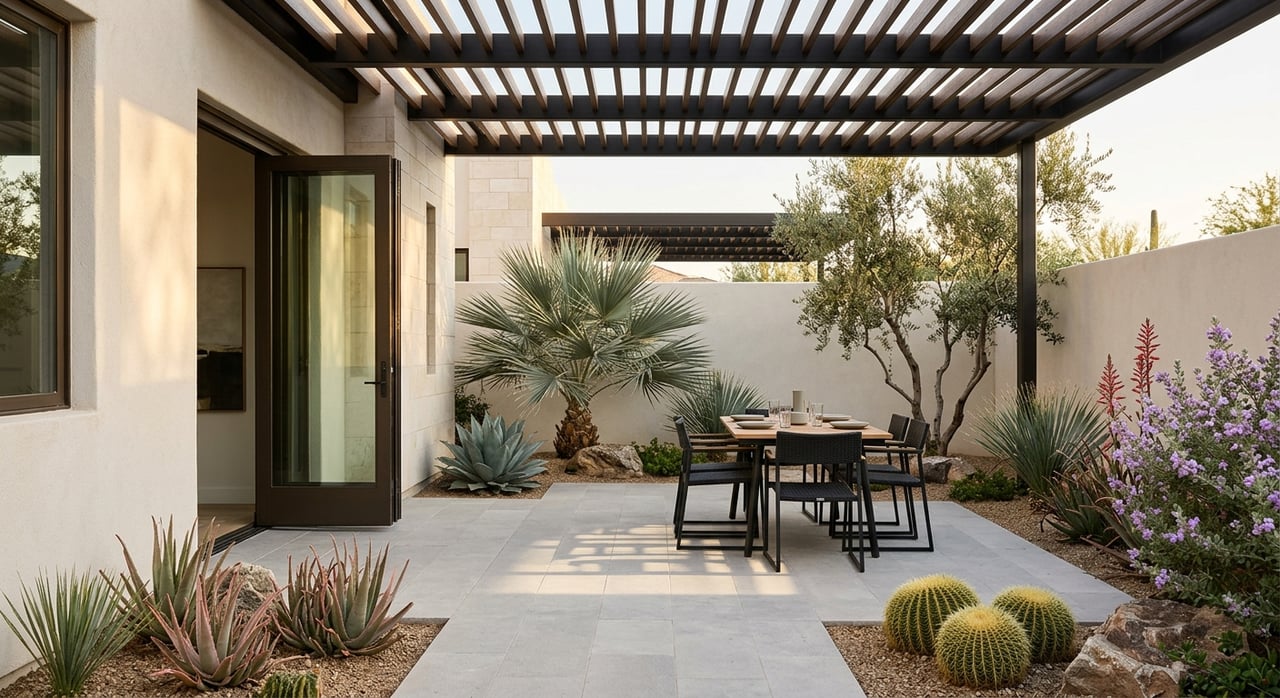
Thinking about selling your Palm Desert home? In a market with about 1,200 homes for sale, a median listing price of $584,500, and a median 66 days on market as of May 2026, listing well takes more than putting a sign in the yard. You need the right price, the right prep, and a launch plan that fits Palm Desert’s neighborhood-by-neighborhood market. This step-by-step guide will show you how to prepare, price, and list with more confidence. Let’s dive in.
Start With Palm Desert Market Reality
Palm Desert is not a one-size-fits-all market. The city reports 53,087 permanent residents and 32,000 seasonal residents, which points to a meaningful second-home and seasonal buyer presence in addition to full-time local demand.
That matters when you list. Buyer timing, presentation, and pricing can all be shaped by whether your likely buyer is local, relocating, or shopping for a seasonal home in the Coachella Valley.
Citywide numbers are useful, but they are only the starting point. Realtor.com describes Palm Desert as a balanced, cool market with a 97% sale-to-list ratio, which means pricing discipline and strong presentation matter.
Price Your Home by Micro-Market
Your first step is setting the right price lane. In Palm Desert, neighborhood differences are too large to rely on one citywide average.
For example, Realtor.com shows very different median listing prices and market pace by area. University Neighborhood sits around $687,137 with 37 days on market, South Palm Desert around $850,000 with 51 days, Desert Falls around $487,500 with 99 days, and Palm Desert Resort around $369,000 with 69 days.
Those differences show why the closest comparable homes matter more than broad averages. If your home is in an HOA community, golf community, condo development, or special tax area, those details can also affect pricing and buyer expectations.
What to review before picking a price
- Recent comparable sales in your immediate neighborhood
- Current competing listings in your price range
- Average and median days on market nearby
- HOA dues and community document requirements, if applicable
- Special tax considerations such as Mello-Roos, when relevant
- Your home’s condition, updates, lot placement, and outdoor features
If your home is priced above $1 million, presentation becomes even more important. The Greater Palm Springs REALTORS® March 2026 report says homes over $1 million accounted for 55.7% of total dollar sales in the Coachella Valley, which supports a more tailored and high-touch marketing approach for premium listings.
Focus Prep Spending Where Buyers Notice It
Many sellers ask the same question: how much should you spend before listing? In most cases, the smartest pre-listing dollars go toward visible improvements that help your home show better online and in person.
That usually means decluttering, cleaning, and selective repairs instead of broad remodeling. According to NAR’s 2025 staging guidance, 83% of buyers’ agents said staging helps buyers visualize the property, and more than a quarter of professionals reported staged homes brought 1% to 10% more in offered value.
Prioritize these pre-listing tasks
- Fix obvious cosmetic issues
- Patch, touch up, and refresh worn surfaces
- Declutter countertops, shelves, and storage areas
- Remove excess or oversized furniture
- Deep clean floors, kitchens, baths, and windows
- Organize patios, entries, and garage areas
The goal is simple: make it easier for buyers to picture the home as clean, cared for, and move-in ready.
Make Your Home Camera-Ready
Most buyers start online, and photos shape whether they schedule a showing. NAR says 52% of buyers found the home they purchased online, while 81% rated listing photos as the most useful feature in their search.
That means your online debut is a major part of the sale. NAR’s photo guidance also notes that the camera magnifies clutter, grime, and poor furniture placement, so details that feel minor in person can stand out in listing photos.
Photo-day checklist
- Open blinds or shades for natural light
- Clear personal items from counters and tables
- Hide cords, trash bins, and pet items
- Make beds and simplify bedding
- Polish fixtures and mirrors
- Remove extra décor that makes rooms feel crowded
- Sweep and clean outdoor seating areas
If virtual staging is used, any material photo enhancement should be disclosed so buyers get a truthful view of the property. Clear, accurate presentation helps avoid disappointment when buyers arrive in person.
Treat Curb Appeal as Listing Prep
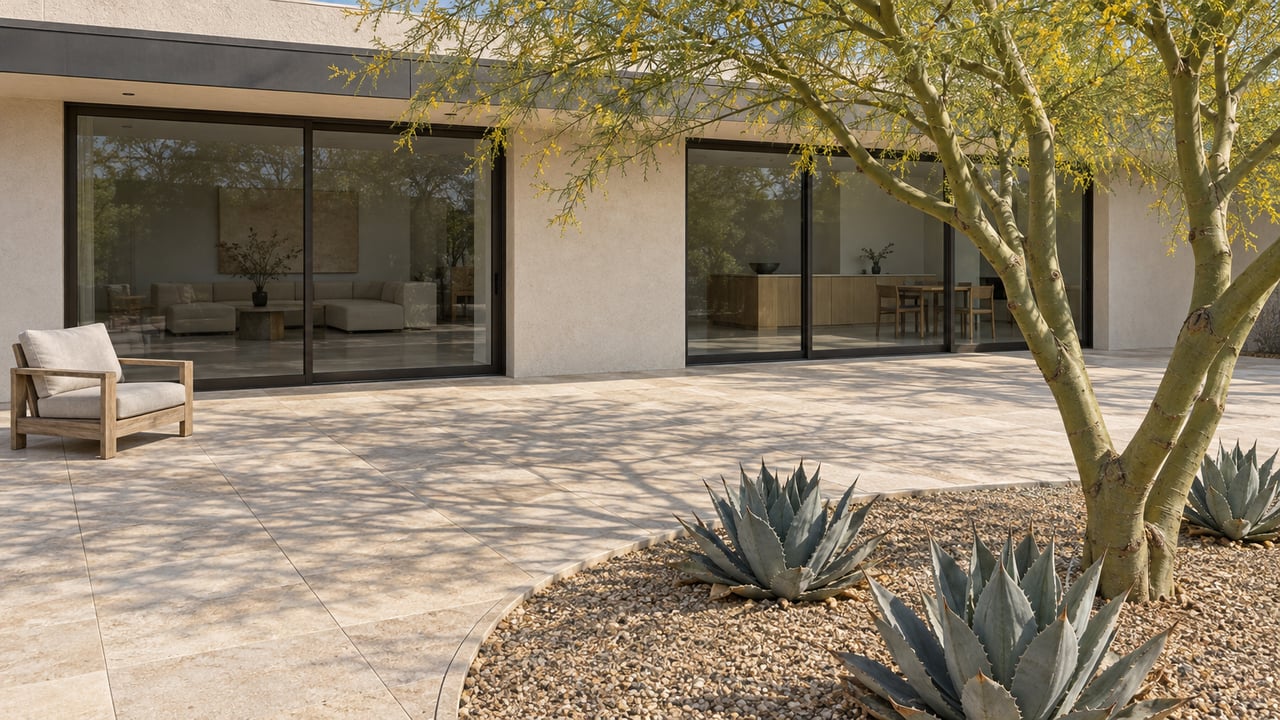
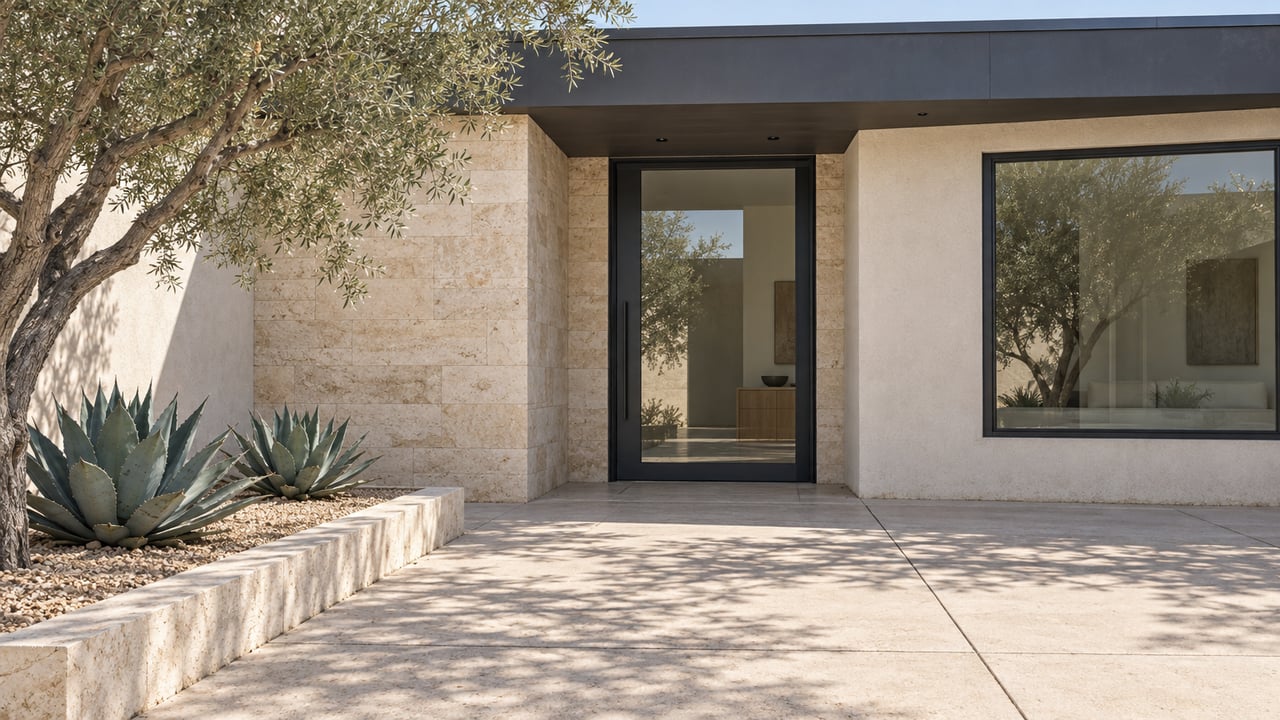
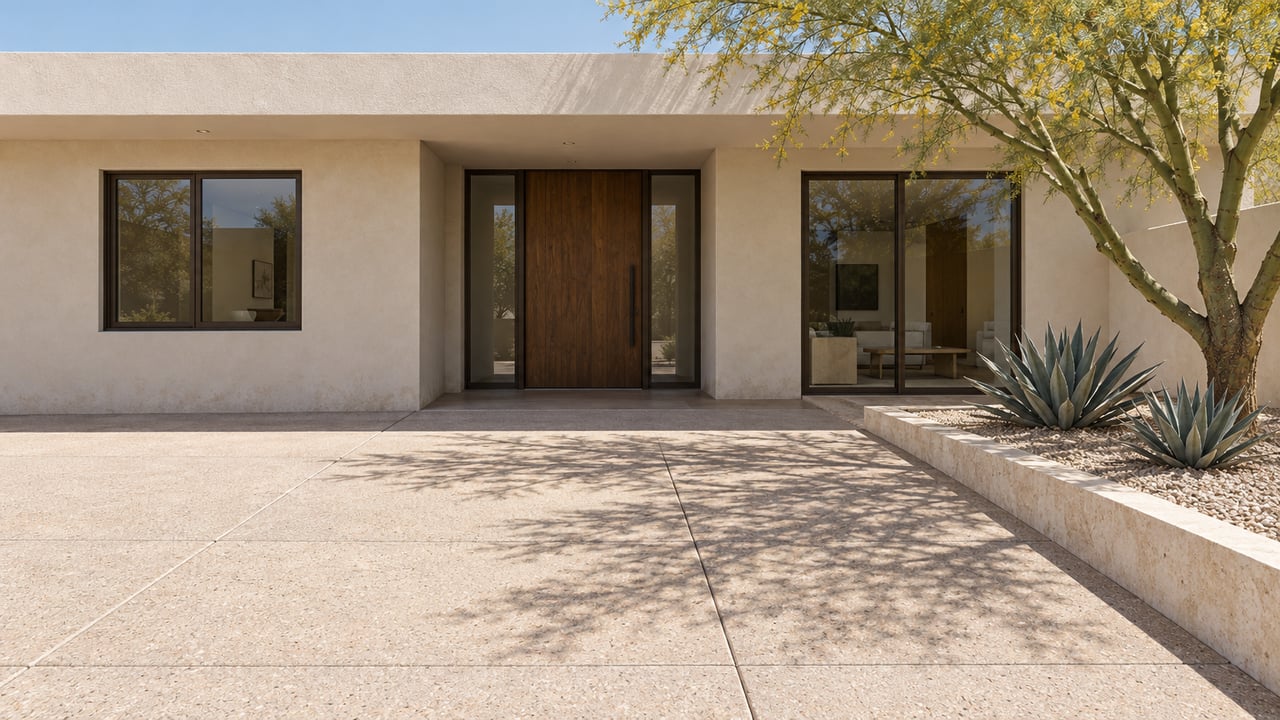
In Palm Desert, first impressions start before buyers walk through the front door. Exterior photos often set the tone for the entire listing, and desert landscaping needs to look maintained and intentional.
The city’s landscaping guidance emphasizes drought-tolerant desert landscaping, irrigation oversight, and plant choices that can handle the local climate. For sellers, that translates into clean hardscape, controlled irrigation, tidy plantings, and an entry that looks crisp in photos.
Easy curb appeal wins
- Edge and sweep walkways and driveways
- Trim back overgrowth near entries and windows
- Check irrigation for leaks or overspray
- Remove dead plants and refresh gravel or mulch where needed
- Clean the front door and outdoor lighting
- Stage patios or courtyards simply and neatly
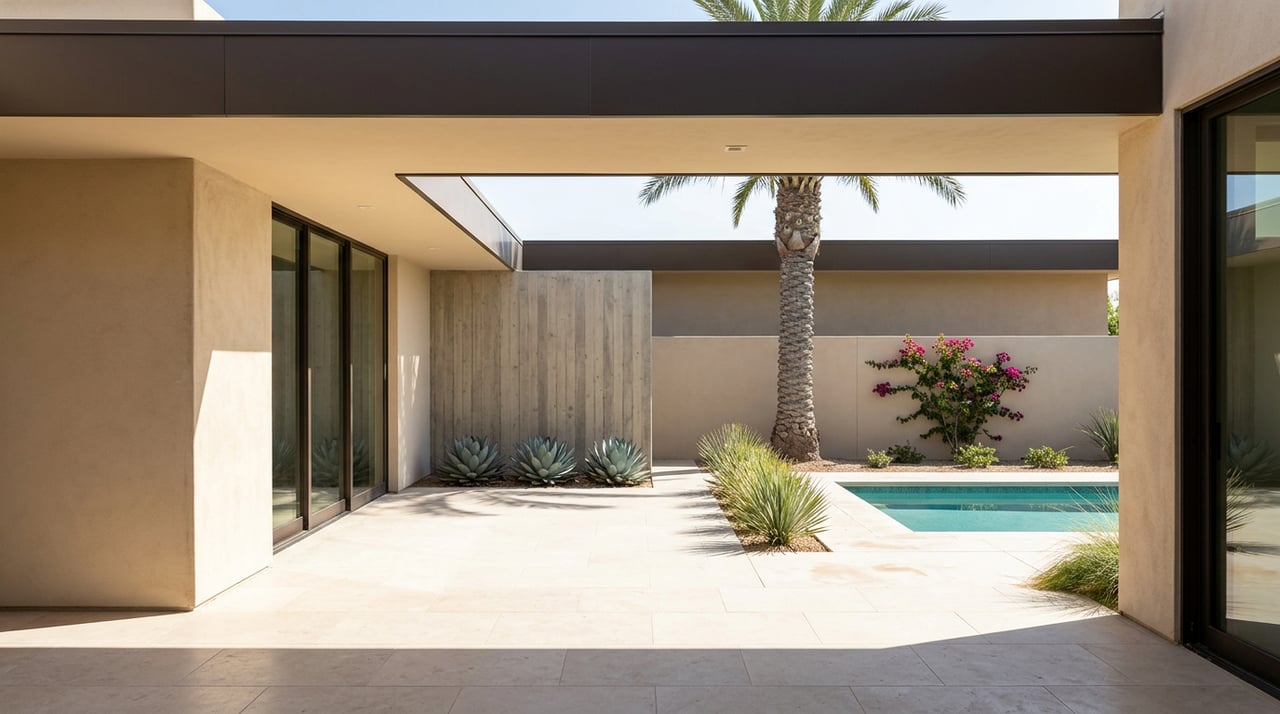
Well-kept outdoor space matters even more in a desert lifestyle market where patios, pools, and mountain views can be part of the home’s appeal.
Assemble Disclosures Before You Launch
One of the most overlooked steps in listing a home is paperwork prep. In California, getting disclosures organized early can help prevent delays once your home goes live.
The California Department of Real Estate says sellers should have required disclosures ready as soon as practicable and before transfer of title. If your launch goes well and buyers move quickly, missing documents can slow down an otherwise smooth transaction.
Core disclosure items to prepare
- Real Estate Transfer Disclosure Statement for most 1- to 4-unit residential resales
- Natural Hazard Disclosure Statement, when applicable
- Lead-based paint disclosures for most homes built before 1978
- HOA or common-interest development documents, if applicable
- Assessment, budget, and reserve information for HOA properties
- Mello-Roos or special tax district notice, when applicable
- Inspection reports, repair invoices, and maintenance records you want available
Palm Desert has many condo and HOA-based communities, so this step is especially important if your property is part of a common-interest development.
Check Property-Specific Risk Issues Early
Some homes need a closer look at location-based disclosures or maintenance concerns before listing. If your property is near open space, slopes, or other higher-risk areas, it is wise to verify whether fire hazard considerations or home-hardening issues need attention.
CAL FIRE classifies fire hazard severity zones as moderate, high, or very high, and it emphasizes the importance of defensible space. For sellers, that can mean reviewing whether exterior conditions need cleanup before buyers, inspectors, or appraisers evaluate the property.
Time Your Launch With Local Seasonality
When should you list your Palm Desert home? The answer depends on your goals, your home’s condition, and current competition.
The Greater Palm Springs REALTORS® March 2026 report says regional inventory is usually highest at the turn of the year and lowest in late summer. In practical terms, that means timing should be deliberate, not automatic.
A strong launch in a balanced market often works best when your home is fully ready before the first photos are taken. If you come on at the wrong price or before the home is prepared, it can be harder to regain momentum later.
Plan the Launch, Not Just the List Date
Listing day should feel like a coordinated release, not a rushed upload. Because so many buyers start online, your first image set, description, and showing plan need to work together.
This is where a full-service strategy can make a difference. For Palm Desert sellers, that can include professional photography and video, targeted online campaigns, direct mail, single-property marketing, and a clear showing plan that keeps the home looking the way it did in photos.
What a thoughtful launch should include
- Professional photos that highlight the home accurately
- Video when the property and price point support it
- Strong sequencing of images so buyers understand the layout and lifestyle
- Showing coordination that keeps the property clean and consistent
- Open house planning when appropriate
- Local agent exposure opportunities
The California DRE notes that seller-side open houses can help market the property, highlight selling points, and surface buyer feedback. Greater Palm Springs REALTORS® also promotes broker-caravan exposure, giving listings another local channel for visibility.
Keep Showings Consistent After Launch
Once your listing is live, consistency matters. Buyers who like what they see online expect the in-person experience to match.
That means keeping surfaces clear, lighting bright, outdoor areas neat, and any high-traffic rooms picked up between showings. A well-managed showing process protects the strong first impression you worked to create.
Why the Right Guidance Matters
Selling in Palm Desert means navigating pricing differences between neighborhoods, local seasonality, HOA paperwork in many communities, and buyer expectations that often start online. It also means presenting your home in a way that fits its price point, location, and likely buyer pool.
With deep Coachella Valley knowledge, concierge-level transaction management, and a marketing approach built for both mid-market and luxury homes, the right representation can help you reduce stress and launch with purpose. If you are getting ready to sell, connect with Lori Ebeling to schedule a 15-minute consultation.
FAQs
What should I do first before listing a Palm Desert home?
- Start with a market review based on your specific neighborhood, then move to repairs, staging, disclosures, and launch timing.
How should I price my Palm Desert home?
- Use nearby comparable homes, current competition, days on market, and any HOA or special tax context instead of relying only on citywide averages.
What pre-listing updates matter most for a Palm Desert sale?
- Decluttering, deep cleaning, selective cosmetic repairs, staging, and camera-ready presentation usually offer the clearest value before listing.
What disclosures are required when selling a home in Palm Desert, California?
- Core items can include the Transfer Disclosure Statement, Natural Hazard Disclosure Statement when applicable, lead disclosures for many pre-1978 homes, and HOA documents for common-interest developments.
When is the best time to list a home in Palm Desert?
- Timing depends on your goals and your home’s readiness, but local data shows inventory is typically highest at the turn of the year and lowest in late summer.
Do open houses help when listing a Palm Desert home?
- They can help market the property, highlight features, and gather useful buyer feedback that may improve your selling strategy.