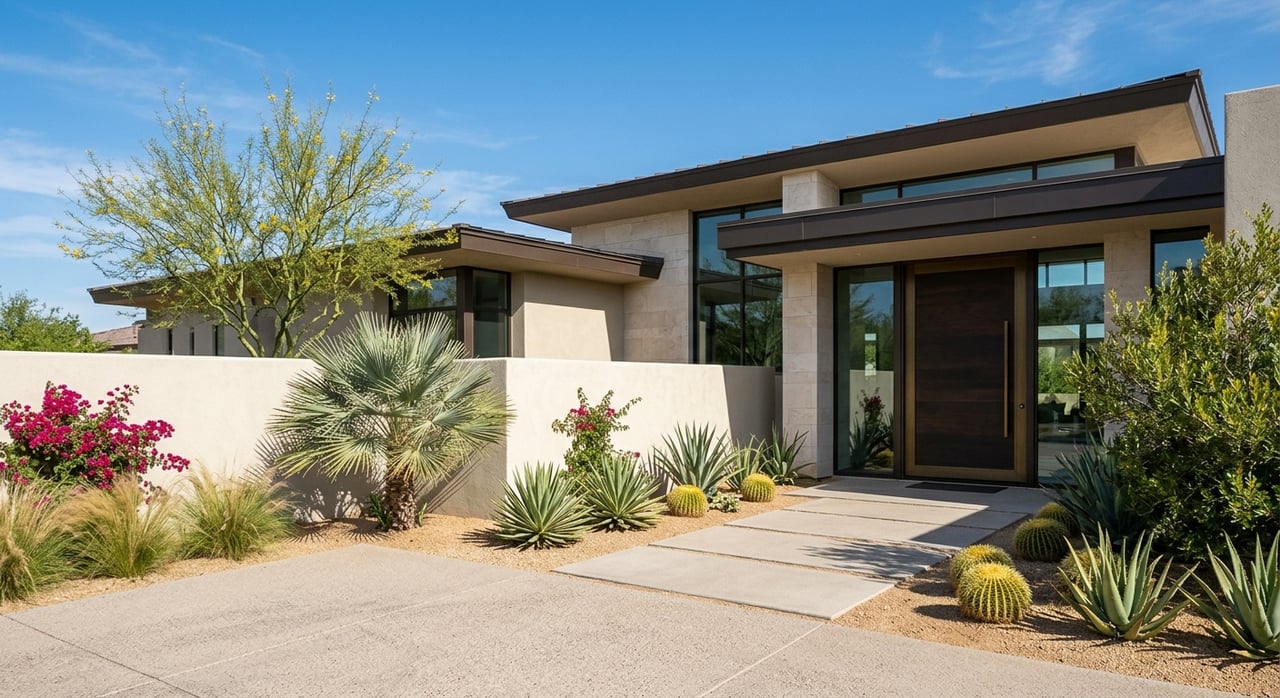
Wondering whether your Palm Springs home should put you steps from dinner and VillageFest or high above the city with wide-open mountain views? It is a common choice here because Palm Springs is not one uniform market. The city recognizes 52 neighborhood organizations and plans for distinct neighborhood character across in-town, south-end, and hillside areas. If you are trying to decide what fits your lifestyle best, this guide will help you compare the tradeoffs that matter most. Let’s dive in.
Why Palm Springs Feels So Different Area to Area
Palm Springs has a surprisingly varied layout for a relatively compact city. Downtown and Uptown, centered along Palm Canyon Drive and North Indian Canyon Drive, function as the main retail, dining, and gathering hub. Tahquitz Canyon Way also serves as a key east-west connection between Downtown and the airport, which shapes how convenient some neighborhoods feel for full-time and part-time residents.
That city structure creates three broad lifestyle patterns. You will generally find walkability and easy access in-town, resort and golf living in the south-end corridors, and privacy with stronger terrain and views in the hillside pockets. None is universally better. The right fit depends on how you want to live when you are actually in the home.
In-Town Areas: Best for Walkability
If your ideal Palm Springs day starts with coffee, includes a stroll to lunch, and ends with dinner or an event without much driving, in-town neighborhoods deserve a close look. These areas tend to offer the easiest access to Palm Canyon Drive, Uptown, Downtown, and weekly rhythms like Thursday night VillageFest.
Historic Tennis Club
Historic Tennis Club is the city’s oldest neighborhood and sits against the San Jacinto Mountains. It blends older historic homes, condos, apartments, inns, and restaurants, creating one of the most walkable and layered in-town settings.
The streets have limited curbs and sidewalks, and the neighborhood keeps a low-rise feel. If you want a true leave-the-car-parked lifestyle, this is one of the clearest options in Palm Springs.
Movie Colony, Old Las Palmas, and Vista Las Palmas
These north-side in-town neighborhoods are often the classic choice for buyers who want historic character with quick access to Uptown and Downtown. Movie Colony is known for older historic homes on larger landscaped lots.
Old Las Palmas has pedestrian- and bicycle-friendly roads with one-story homes, walls, gates, and hedges. Vista Las Palmas is widely associated with Alexander-style homes, open front yards, and a strong midcentury identity.
Together, these areas offer a more established in-town feel than some denser mixed-use pockets. If you want classic Palm Springs style with city access, this group is often where your search starts.
Warm Sands, Baristo, and Tahquitz River Estates
These neighborhoods feel more urban-mixed and hospitality-adjacent than the traditional estate areas. Warm Sands includes single-family homes, apartment complexes, small hotels, and a mobile-home park.
Baristo stands out because it is unusually condo-heavy and organized around 10 homeowner associations. Tahquitz River Estates also mixes single-family homes, apartments, condos, small hotels, and commercial uses.
For some buyers, that mix feels energetic and practical. For others, it can feel less private than the quieter north-side neighborhoods, so this is where your day-to-day preferences really matter.
South-End Areas: Best for Resort Living
If you want Palm Springs amenities but do not need a fully walkable Downtown address, the south-end often offers a strong middle ground. These neighborhoods can combine lower-maintenance living, golf-adjacent settings, and a calmer pace while still keeping you close to daily conveniences.
Indian Canyons
Indian Canyons surrounds the 18-hole Indian Canyons North golf course and was originally known as Canyon Country Club. The housing mix is mostly refurbished 1960s homes in midcentury modern and Southwestern ranch styles.
This gives the neighborhood a clear golf-resort identity. For buyers who want architectural personality, a south-end location, and a lifestyle tied to open fairway surroundings, Indian Canyons is a standout.
Deepwell
Deepwell feels quieter and more residential than a resort strip. The city describes it as mostly one-story homes on roughly quarter-acre lots, with open yards, few sidewalks, and little on-street parking.
It is also an area where bicyclists, joggers, and dog walkers are common. If you want a close-in south neighborhood that feels established and low-key, Deepwell may strike the right balance.
Smoke Tree and Palm Canyon/Sunny Dunes
Smoke Tree and the Palm Canyon Drive and Sunny Dunes Road corridor can be a practical choice for buyers who want amenities nearby without living right in the center of Downtown. The city’s land-use plan envisions Smoke Tree as a pedestrian-oriented center with shops, restaurants, hotel facilities, and multifamily housing.
Just to the north, Palm Canyon and Sunny Dunes is also planned as a mixed-use node. If you like convenience and activity but want a little separation from the busiest core, this area can offer a useful compromise.
Hillside Areas: Best for Views and Privacy
If your top priorities are elevation, terrain, and a stronger sense of retreat, Palm Springs’ hillside neighborhoods may be the best match. These areas usually trade easy walkability for more dramatic settings and stronger visual connection to the mountains and city below.
Araby Cove
Araby Cove sits at the base of the Southridge hills and has an eclectic housing mix. You will find small desert homes, apartments, condos, newer tract homes, and estate homes within the neighborhood.
The area has no curbs or sidewalks, and the city’s planning goal emphasizes preserving natural contours. That makes Araby Cove especially appealing if you care more about views and topography than a walk-to-dinner routine.
Chino Canyon
Chino Canyon is one of the clearest view-first choices in Palm Springs. The city describes unobstructed mountain and open-space views, custom-built small-scale homes, historic 20th-century modern architecture, narrow roads, and unlit streets.
The neighborhood also prioritizes preserving natural terrain and viewsheds. If you want a more tucked-away setting with strong architectural interest, Chino Canyon can feel very distinctive.
Southridge
Southridge is a gated hillside neighborhood known for steep slopes, guardhouse access, and dramatic elevation change. In practical terms, it is one of Palm Springs’ strongest privacy-and-view plays.
It is also one of the least walkable options. If you picture your Palm Springs home as a private retreat first and a walkable base second, Southridge fits that mindset.
How to Choose Between In-Town and Hillside
The easiest way to narrow your search is to focus on how you will use the home most often. Your best neighborhood is rarely the one with the flashiest reputation. It is the one that matches your real routine.
Choose in-town if you value:
- Walking to dining, shopping, and events
- Quicker access to Downtown, Uptown, and VillageFest
- Historic character with an active city feel
- Less reliance on a car for entertainment
Choose hillside if you value:
- Privacy and separation from busier streets
- More dramatic mountain or open-space views
- Natural terrain and a tucked-away setting
- A home that feels like a retreat
Choose south-end resort areas if you want:
- A middle ground between convenience and quiet
- Golf-adjacent or low-maintenance options
- Architectural character without a Downtown address
- Short drives to amenities rather than full walkability
Practical Buyer Tradeoffs to Review
Palm Springs lifestyle is important, but the practical details matter just as much. Two homes with a similar look can come with very different rules and costs depending on the neighborhood and property type.
HOA Structure Can Vary Widely
HOA presence is not consistent across Palm Springs. Condos and planned or gated enclaves are usually the most HOA-intensive, and Baristo is a clear example because it is organized around 10 HOAs.
Before you make an offer, review the CC&Rs, monthly dues, reserve funding, and any property use restrictions. This step is especially important if you are comparing condos with detached homes or looking at gated communities.
Vacation Rental Rules Are Neighborhood-Specific
If you are buying a second home and hoping for short-term rental flexibility, do not assume that potential is the same citywide. Palm Springs uses neighborhood percentage caps for vacation rentals and does not issue new certificates in neighborhoods that are already at or above their cap.
The city also limits new permittees to 26 vacation-rental contracts per year. That means short-term rental potential should always be checked neighborhood by neighborhood before you move forward.
Driving Reality Changes by Area
In-town neighborhoods tend to provide the easiest access for walking to Palm Canyon Drive and Downtown activity. South-end neighborhoods usually involve a short drive rather than a long one.
Hillside areas typically require longer and more winding access. If you visit Palm Springs often for quick weekend trips, that difference may matter more than you expect.
A Simple Way to Match Area to Buyer Goals
Many buyers can narrow the field by starting with the lifestyle category that best matches their goals. This approach keeps the search focused and saves time.
Buyers who want a walkable second home often start with Historic Tennis Club, Movie Colony, Old Las Palmas, Warm Sands, or Baristo. Buyers looking for lower-maintenance resort living often focus on Indian Canyons or south-end condo and planned communities. Buyers who prioritize views and privacy usually begin with Araby Cove, Chino Canyon, or Southridge.
The key is not just finding a beautiful home. It is finding the part of Palm Springs that supports the way you want to spend your time there.
If you are weighing in-town energy against hillside privacy, a focused neighborhood strategy can make the decision much clearer. With deep local knowledge across Palm Springs and the wider valley, Lori Ebeling can help you compare areas, identify the right fit for your lifestyle, and navigate the process with a high-touch, concierge approach.
FAQs
What are the most walkable home areas in Palm Springs?
- Historic Tennis Club, Movie Colony, Old Las Palmas, Warm Sands, and Baristo are among the areas buyers often consider first for walkability and easier access to Downtown or Uptown amenities.
Which Palm Springs neighborhoods are best for mountain views?
- Araby Cove, Chino Canyon, and Southridge are among the strongest view-oriented options, with hillside settings, natural terrain, and more privacy than in-town locations.
What should Palm Springs condo buyers check before making an offer?
- Review the HOA documents carefully, including CC&Rs, dues, reserve funding, and any use or rental restrictions, since HOA structure varies widely by neighborhood and property type.
How do Palm Springs vacation rental rules affect neighborhood choice?
- Palm Springs applies neighborhood percentage caps for vacation rentals, and new certificates are not issued in neighborhoods at or above the cap, so rental potential should be verified area by area.
Is it better to buy in Downtown Palm Springs or the hills?
- It depends on your lifestyle: in-town areas generally suit buyers who want walkability and easier access to dining and events, while hillside areas usually fit buyers who prioritize views, privacy, and a retreat-like setting.
Which Palm Springs areas fit a resort-style lifestyle without being Downtown?
- Indian Canyons, Deepwell, and the Smoke Tree or Palm Canyon/Sunny Dunes corridor can suit buyers who want a south-end location, nearby amenities, and a quieter pace than the Downtown core.