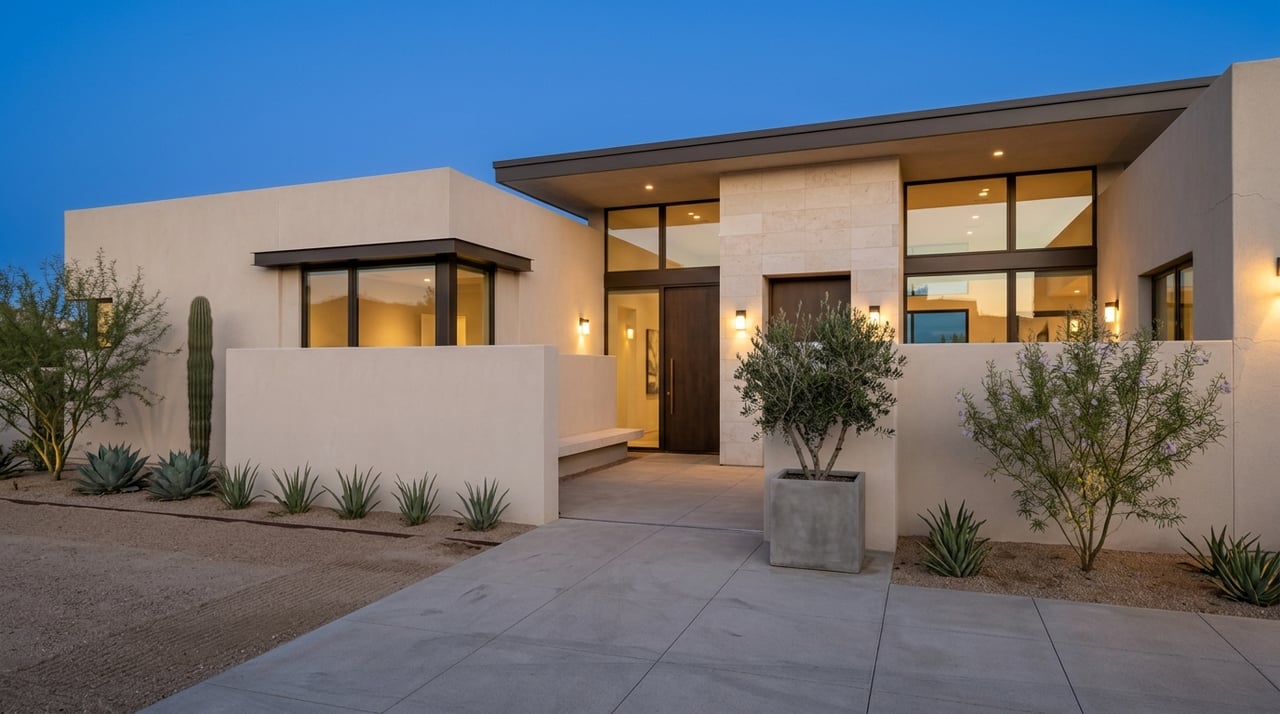
Are you trying to decide whether a gated or non-gated home in Palm Desert will actually fit the way you live? It is a smart question, especially in a city shaped by seasonal living, recreation, and a wide mix of neighborhoods and common-interest communities. If you are weighing privacy, amenities, maintenance, guest access, or rental flexibility, this guide will help you compare the tradeoffs and focus on what matters most. Let’s dive in.
Why This Choice Matters in Palm Desert
Palm Desert is not a one-style-fits-all market. The city reports 53,087 permanent residents and 32,000 seasonal residents, with a median resident age of 55.1, which helps explain why lifestyle preferences vary so much from one buyer to the next.
Palm Desert also describes itself as the cultural and retail center of the desert communities. With 17 parks, more than 25 miles of trails, and community gardens open to residents and local business owners, you can build an active lifestyle here with or without a private gate.
That is why the gated versus non-gated question is bigger than curb appeal. In Palm Desert, it often comes down to how much structure, maintenance support, amenity access, and rule-setting you want in your day-to-day life.
What Gated Living Often Offers
In Palm Desert, gated communities come in many forms. You will find age-restricted manufactured-home communities, golf-focused neighborhoods, condominium enclaves, and private-club settings with a broad range of services and dues.
For many buyers, the main draw is controlled access paired with a maintenance-light lifestyle. Some communities include landscaping or exterior upkeep through the HOA, while others add club access, social programming, golf, racquet sports, pools, or other shared amenities.
Examples in Palm Desert show just how varied gated living can be. Palm Desert Greens is a private, guard-gated 55+ manufactured-home community with 1,922 homes and an 18-hole executive course, while Portola Country Club is a gated 55+ community with 500 manufactured homes, a par-3 course, pools, pickleball, tennis, a dog park, and greenbelts.
Sun City Palm Desert describes itself as a gated and patrolled resort-style community with 36 holes of golf and multiple clubhouses. Palm Desert Resort Country Club is a gated 960-home community with a 24-hour attended gate, extensive pool and racquet-sport amenities, and a low-density layout.
Other gated communities can be even more service-focused. Oasis Country Club says its HOA covers exterior upkeep, common-area landscaping, trash service, bulk cable and internet, hazard and earthquake insurance, and pest control.
Gated does not mean the same thing everywhere
This is one of the biggest points buyers miss. A gate does not automatically tell you the level of privacy, the quality of amenities, the cost of ownership, or the rules you will live under.
Some gates are staffed or attended around the clock. Others may be patrolled, code-accessed, or more limited in how they operate.
The same goes for club features. Golf, tennis, dining, or social memberships may be included, mandatory, optional, or priced separately from HOA dues depending on the community.
What Non-Gated Living Often Offers
Non-gated Palm Desert can appeal to buyers who want a more open, traditional neighborhood feel. You may prefer easier guest access, less formality at the entrance, or a setup that feels more street-to-street and less club-oriented.
That openness does not mean you give up the Palm Desert lifestyle. The city’s public parks, trail network, and community gardens can support an outdoor, active routine without relying on private amenities.
Non-gated also does not mean there is no HOA. In Palm Desert, some non-gated neighborhoods still have homeowner associations, while others do not.
A local neighborhood source describes Silver Spur Ranch as a non-gated South Palm Desert neighborhood near El Paseo with a mix of Mid-Century Modern homes, bungalows, and estates, and it notes that the neighborhood still has a modest HOA. The same source describes Cahuilla Hills as a hillside area with a mix of home styles and says it has no HOA.
More openness can mean more direct responsibility
If a non-gated property has an HOA, California common-interest development rules can still apply. If there is no HOA, you may have more freedom over exterior decisions, but you may also take on more direct responsibility for maintenance, landscaping, and upkeep.
That tradeoff matters. Some buyers love the flexibility, while others prefer having shared systems and defined responsibilities handled through an association.
HOA Rules Matter More Than the Gate
In California, many gated and non-gated communities are common-interest developments. The California Department of Real Estate says these projects are governed by mandatory associations, CC&Rs, bylaws, budgets, and reserve planning, which is why reviewing the governing documents carefully is so important before you buy.
This is where a smart home search goes beyond appearances. A beautiful entrance, nice landscaping, or a popular name does not tell you what the HOA covers, how healthy the budget is, or how much control the rules place on owners.
The state also explains that associations collect assessments for common-area maintenance and use reserve studies to plan for long-term repairs and replacements. That means you should look beyond the monthly dues number and ask how well the community is planning for future expenses.
What to review before you commit
When you compare gated and non-gated options in Palm Desert, ask for clear answers to questions like these:
- Is the gate staffed, patrolled, code-access, or mostly decorative?
- Are golf, tennis, social, or club memberships mandatory, optional, or separate from HOA dues?
- What does the HOA include, such as landscaping, trash, exterior paint, roofs, cable or internet, pest control, or insurance?
- Are there age restrictions or occupancy rules?
- Are there reserve funding concerns or a history of special assessments?
- How easy is access for family, service providers, cleaners, or house-watch help when you are away?
Rental Plans Need Special Attention
If you are buying a second home or thinking about seasonal rental income, Palm Desert’s short-term rental rules should be part of your decision early on. The city defines a short-term rental as a dwelling rented for 27 consecutive nights or less and requires a permit.
The city also states that HOA communities must submit an annual approval letter confirming that short-term rentals are allowed in the community. That means rental flexibility is not just about city rules. It is also about what the community itself permits.
For some buyers, this becomes the deciding factor. A home may check every box for location and amenities, but if the HOA rules do not align with how you plan to use the property, it may not be the right fit.
Gated vs Non-Gated by Lifestyle
The best choice usually comes down to how you want to live, not just how you want the entrance to look.
Best fit for maintenance-light living
If you want a lock-and-leave property, gated living may feel easier. In several Palm Desert communities, the HOA handles parts of the exterior or landscape maintenance, which can simplify ownership if you live elsewhere part of the year.
Best fit for amenity-driven buyers
If golf, pickleball, pools, clubhouses, fitness, dining, or organized social life are important to you, many gated communities offer those features in one place. Just make sure you understand whether access is included in dues or tied to separate membership costs.
Best fit for openness and flexibility
If you want easier visitor access and a more traditional neighborhood feel, non-gated areas may be more comfortable. This can be especially appealing if you do not need a private club environment because you plan to enjoy Palm Desert’s public parks, trails, and city amenities.
Best fit for hands-on owners
If you like more direct control over your home’s exterior, landscaping, or improvement choices, a non-gated property without an HOA may be worth a closer look. Just remember that more freedom often comes with more direct responsibility.
A Simple Way to Decide
If you feel torn, start with three questions. How much maintenance do you want to handle, how important are private amenities, and will you use the home full-time, seasonally, or as a rental?
Those answers usually point you in the right direction faster than the word “gated” ever will. In Palm Desert, the better framing is often this: gated tends to mean more structure and more amenities, while non-gated often means more openness and more flexibility.
The right home is the one that supports your actual routine, budget, and ownership goals. When you compare communities carefully, you can avoid surprises and choose a property that feels right long after move-in day.
If you want help sorting through Palm Desert neighborhoods, HOA details, and lifestyle fit, Lori Ebeling offers a high-touch, local approach that can make the search clearer and smoother.
FAQs
What does gated living in Palm Desert usually include?
- Gated living in Palm Desert may include controlled access, HOA-managed maintenance, and amenities such as golf, pools, racquet sports, clubhouses, or social offerings, but the exact package varies by community.
What does non-gated living in Palm Desert usually mean?
- Non-gated living usually means more open access and a more traditional neighborhood feel, but it does not automatically mean there is no HOA or fewer ownership responsibilities.
Do non-gated Palm Desert neighborhoods ever have HOAs?
- Yes. Some non-gated neighborhoods in Palm Desert still have HOAs, while others do not, so you should confirm the rules and costs for each specific property.
Why are HOA documents important in Palm Desert communities?
- HOA documents matter because California common-interest developments are governed by CC&Rs, bylaws, budgets, and reserve planning, which affect costs, maintenance responsibilities, and owner rules.
How do short-term rental rules affect Palm Desert buyers?
- Palm Desert requires a permit for short-term rentals of 27 consecutive nights or less, and HOA communities must confirm annually that short-term rentals are allowed, so buyers should verify both city and community rules.
Is a gated Palm Desert community always more expensive?
- Not necessarily. Costs vary widely because dues, amenity packages, maintenance coverage, and membership requirements can differ sharply from one gated community to another.